Medical Articles
All About Sugars
23.08.2026
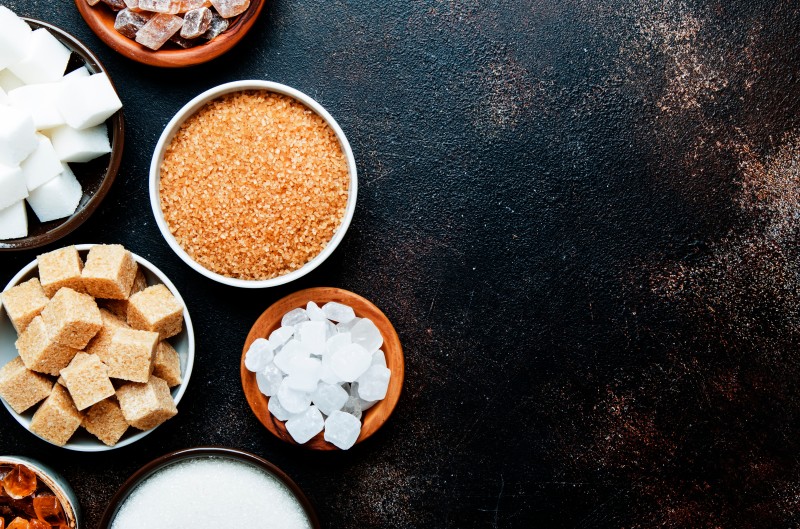
When you hear the word “sugar,” what’s the first thing that comes to mind? The most common answer is probably table sugar, and if you have diabetes, you’re likely familiar with glucose as well. You may also have heard of fructose, found in fruit, and lactose, found in milk.
Many sugars share very similar chemical structures. Among them, the most basic building blocks—known as “monosaccharides”—include glucose, galactose, and fructose. When two of these single sugars bond together, they form “disaccharides.” For example, galactose and glucose combine to form lactose, while glucose and fructose bond to form sucrose (the main component of table sugar). When multiple sugar molecules chain together, they are called “polysaccharides,” which include complex structures like starch and glycogen.
The structural differences between these “monosaccharides,” “disaccharides,” and “polysaccharides” directly affect how they are absorbed by the body. Before any sugar can be utilized, it must first be broken down into individual monosaccharides. Because monosaccharides are already in their simplest form, they are absorbed immediately into the bloodstream upon ingestion. In contrast, disaccharides and polysaccharides must undergo enzymatic breakdown into monosaccharides before absorption can occur. As a result, monosaccharides cause blood sugar levels to spike rapidly and then drop quickly, whereas polysaccharides take longer to digest, leading to a much more gradual and sustained rise and fall in blood sugar. Because a stable blood sugar level helps maintain a feeling of fullness, polysaccharides can be considered carbohydrates that keep you feeling satiated longer. This is precisely why starch-rich foods, such as rice and bread, are well-known for being highly filling.
In contrast to polysaccharides, which help maintain steady blood sugar levels, the primary advantage of monosaccharides—which cause rapid fluctuations—is their vital usefulness in treating hypoglycemia (low blood sugar). When an individual with diabetes experiences a sudden drop in blood sugar as a side effect of their medication, consuming glucose—a monosaccharide—allows them to swiftly reverse the hypoglycemia. It is highly important to understand and consume both monosaccharides and polysaccharides appropriately depending on your specific situational needs.
Author Bio

Dr. Vivien
Medical Director/Family Medicine Specialist
After completing medical school in Moscow, Dr. Vivien gained clinical experience at a general hospital in Penang, Malaysia. She later served as a full-time physician at Batu Gajah Hospital in Perak and at a clinic in Selangor.
Since 2018, she has been with Hibari Clinic, where she currently serves as Medical Director and is dedicated to providing care for the local community. She has a strong interest in pediatrics and psychosomatic medicine, and values patient-centered care that respects each individual’s needs.