Medical Articles
Febrile Seizures in Children
27.09.2026
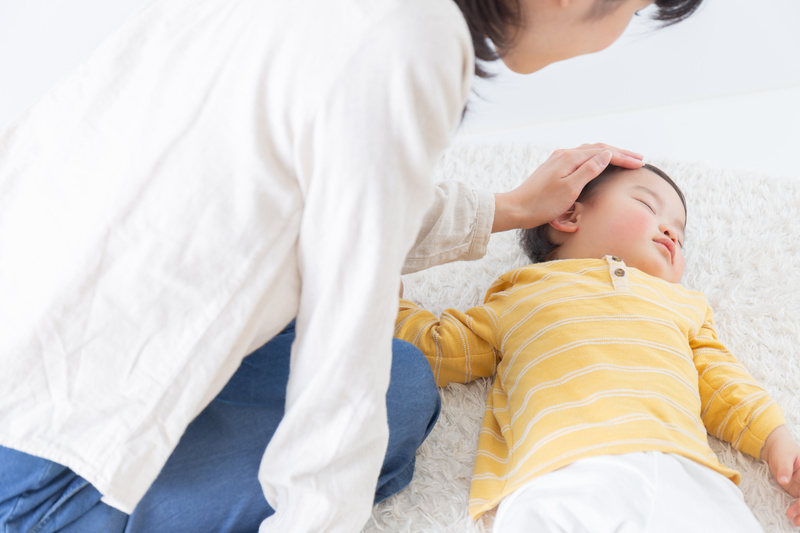
Febrile seizures affect about 1 in 20 children between approximately 6 months and 5 years of age, so they are by no means uncommon. A febrile seizure is a seizure that occurs in association with a fever, usually 38°C (100.4°F) or higher. Because febrile seizures are the most common type of neurological disorder in young children, they are not uncommon outside of medical settings as well. They are thought to be more likely to occur when a child’s body temperature is rising rapidly, rather than simply because the fever is high.
Most febrile seizures stop within five minutes, and in the vast majority of cases, they do not cause any lasting problems. Children generally stop having them as they grow older. Nevertheless, it can be extremely frightening for parents to see their child lose consciousness, have abnormal breathing, or develop a change in skin color. It is understandable to fear that the child may die or suffer permanent brain damage. However, it is extremely rare for a febrile seizure itself to cause cardiac or respiratory arrest or to become life-threatening. The most important thing is to stay calm and respond appropriately.
First, make sure your child is in a safe place to prevent injury, and place them on their side to help keep the airway open. Do not try to restrain your child or shake them to stop the seizure, as this will not make the seizure stop. Instead, minimize stimulation while making sure your child is safe. If possible, observe and record the child’s breathing, skin color, level of consciousness, the type of movements or stiffness in the arms, legs, or trunk, and how long the seizure lasts. This information can be very helpful to the doctor in deciding on further treatment.
If a seizure occurs at home, it is completely understandable to feel shocked and panicked. However, the greater risk is that panic may prevent you from accurately observing what is happening to your child. Learning what to do in advance and keeping in mind that a febrile seizure can occur can help you respond calmly and appropriately. If this is your child’s first seizure, or if the seizure continues for a prolonged period, seek medical attention promptly, as there may be another underlying condition that needs to be evaluated.
Author Bio

Dr. Vivien
Medical Director/Family Medicine Specialist
After completing medical school in Moscow, Dr. Vivien gained clinical experience at a general hospital in Penang, Malaysia. She later served as a full-time physician at Batu Gajah Hospital in Perak and at a clinic in Selangor.
Since 2018, she has been with Hibari Clinic, where she currently serves as Medical Director and is dedicated to providing care for the local community. She has a strong interest in pediatrics and psychosomatic medicine, and values patient-centered care that respects each individual’s needs.