Medical Articles
Supporting Your Physical and Mental Health Through Gut Health
13.09.2026
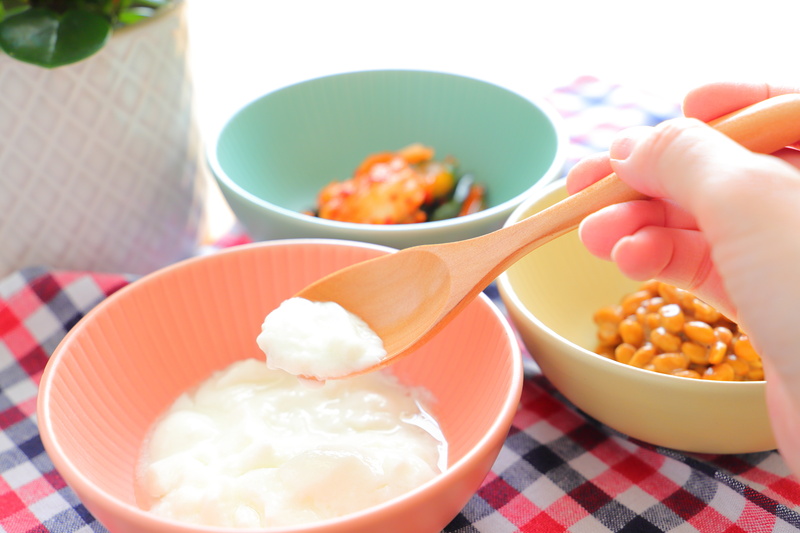
In recent years, “gut health” has received increasing attention. The term refers to lifestyle habits that help maintain a healthy intestinal environment and create favorable conditions for beneficial gut bacteria to thrive.
The gut is sometimes called the “second brain” because of its close relationship with the brain and its strong connection to the autonomic nervous system, including the sympathetic and parasympathetic nervous systems. When we experience stress, the balance of the autonomic nervous system can be disrupted, which may slow down bowel movements and cause constipation or, conversely, lead to diarrhea. In this way, our mental state and gut health can affect each other.
Interestingly, most of the body’s serotonin, often called the “happiness hormone,” is produced in the gut rather than the brain. Gut bacteria play a role in helping produce and regulate serotonin. Therefore, an imbalance in gut bacteria may also affect our mood. In one animal study, mice with reduced levels of certain gut bacteria showed behaviors resembling some features of autism. Another study reported that people who consumed probiotic-containing foods, such as yogurt and natto, for one month experienced a reduction in symptoms of anxiety and depression. These findings suggest that maintaining a healthy balance of gut bacteria may contribute to overall physical and mental well-being.
Here are some simple tips for improving your gut health that you can easily incorporate into your daily routine. Why not give them a try?
- Include foods containing beneficial bacteria, such as natto, kimchi, and yogurt.
- Eat plenty of dietary fiber and oligosaccharides, which serve as food for beneficial gut bacteria. Good sources include vegetables, fruits, beans, seaweed, and mushrooms.
- Drink a glass of water or warm water when you wake up to help stimulate bowel movements.
- Keep your body warm and improve circulation, for example by taking a warm bath.
- Get moderate exercise, such as walking or stretching.
The most important thing is to make these habits part of your daily routine. Start with small changes that feel manageable, and gradually build healthy habits that help your gut—and your whole body—feel its best.
Author Bio

Dr. Vivien
Medical Director/Family Medicine Specialist
After completing medical school in Moscow, Dr. Vivien gained clinical experience at a general hospital in Penang, Malaysia. She later served as a full-time physician at Batu Gajah Hospital in Perak and at a clinic in Selangor.
Since 2018, she has been with Hibari Clinic, where she currently serves as Medical Director and is dedicated to providing care for the local community. She has a strong interest in pediatrics and psychosomatic medicine, and values patient-centered care that respects each individual’s needs.