Medical Articles
The Silent Killer: High Blood Pressure
22.11.2026
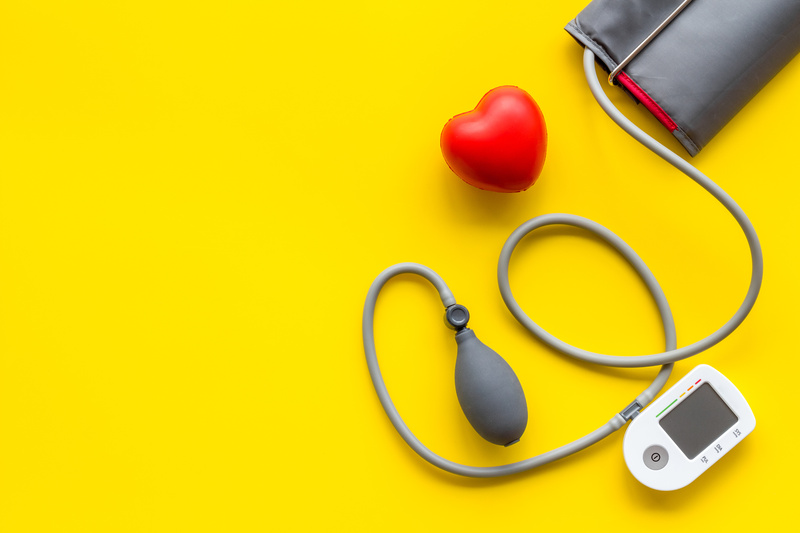
“Have you checked your blood pressure recently?” When we feel healthy, it is easy to overlook our blood pressure and assume everything is fine. However, high blood pressure can progress without noticeable symptoms, placing a strain on the body before you even realize it. Let’s take a look at some important things to know about high blood pressure, one of the most common lifestyle-related diseases.
In Japan, approximately one in two people aged 20 and over is said to have high blood pressure. There are two main types of hypertension: essential hypertension and secondary hypertension. Essential hypertension develops from a combination of various factors, including excessive salt intake, obesity, alcohol consumption, lack of exercise, stress, and genetic predisposition. Secondary hypertension, on the other hand, is caused by an underlying medical condition, such as a disorder of the thyroid or adrenal glands. The prevalence of high blood pressure also tends to increase with age.
One of the most concerning aspects of high blood pressure is that it often causes no noticeable symptoms, especially in the early stages. As a result, many people may not realize they have it and leave it untreated. However, even without symptoms, high blood pressure can put a strain on the brain, heart, kidneys, blood vessels, and other organs. When it persists over time, it can lead to serious health problems, which is why high blood pressure is often called a “silent killer.”
One useful guideline for seeking medical advice is your blood pressure at home. If your home blood pressure readings are repeatedly 135/85 mmHg or higher, consider consulting a healthcare professional. Blood pressure can also differ depending on where it is measured. Some people have normal readings at a medical facility but higher readings at home. This is known as “masked hypertension.” Conversely, some people have high readings at a medical facility but normal readings at home, a condition known as “white coat hypertension.” Because blood pressure can vary depending on the time of day, where it is measured, and your physical or emotional state at the time, it is important to monitor it regularly at home and understand your own blood pressure patterns.
Lifestyle changes, including improvements to your diet, are also important for preventing and managing high blood pressure. One of the key things to focus on is reducing salt intake. Try setting a goal of keeping your daily salt intake below 6 grams. Use seasonings sparingly and make good use of dashi, spices, and aromatic vegetables to add flavor, allowing you to enjoy delicious meals without relying too heavily on salt. Regular aerobic exercise, such as walking, is also recommended. Maintaining a healthy body weight is another important part of managing your blood pressure.
Because blood pressure is something we cannot see, regularly checking it and knowing your own readings is an important first step in taking care of your health. Even if you feel perfectly healthy, your blood pressure can change from day to day. Why not take the first step toward better health by simply starting to check your blood pressure regularly?
Author Bio

Dr. Vivien
Medical Director/Family Medicine Specialist
After completing medical school in Moscow, Dr. Vivien gained clinical experience at a general hospital in Penang, Malaysia. She later served as a full-time physician at Batu Gajah Hospital in Perak and at a clinic in Selangor.
Since 2018, she has been with Hibari Clinic, where she currently serves as Medical Director and is dedicated to providing care for the local community. She has a strong interest in pediatrics and psychosomatic medicine, and values patient-centered care that respects each individual’s needs.